
Whoa!
This wallet showed up on my radar months ago.
I installed Phantom on a whim, and within minutes I was poking around DeFi apps and NFT marketplaces like it was nothing.
At first glance it’s clean and unobtrusive, but then you start to notice the little things—fast network calls, clear confirmations, and sensible defaults that actually protect you.
My instinct said “this’ll be fine,” though actually, wait—let me rephrase that: it surprised me by being both approachable for beginners and flexible enough for power users.
Okay, so check this out—Phantom is a browser extension built specifically for the Solana ecosystem.
It lives in your toolbar and signs transactions without feeling clunky.
Seriously? Yes.
When you connect to a decentralized app, the interaction is smooth, with clear prompts that reduce the risk of mis-clicks.
On one hand that simplicity is comforting; on the other hand, you should still verify details—always verify—because UX polish can mask risky approvals.
I’ll be honest: somethin’ about extensions used to make me nervous.
Browser extensions can request a lot of permissions, and mine had a near-mythical list in an old workflow.
Initially I thought extension wallets would be just like that—overbearing and intrusive—but Phantom limits what it asks for and scopes permissions more narrowly than some older wallets do.
I noticed the difference during a late-night dev meetup in Austin, when someone tried to explain RPC providers and I realized Phantom offloads a lot of complexity so the wallet doesn’t need you to be an engineer.
That eases the learning curve for newcomers, though it also means you need to understand which RPC you’re trusting.
Features matter.
Phantom supports swaps, staking, NFT management, and token visibility without making the UI feel crowded.
There’s an in-wallet swap widget that routes trades through DEXes on Solana, and it often finds competitive prices with low fees because Solana itself is cheap.
On the flip side, low fees can tempt reckless behavior—people click through transactions that they might not on a higher-fee network—so an ounce of caution goes a long way.
Still, for day-to-day DeFi interactions, Phantom is one of the more reliable extension wallets I’ve used.
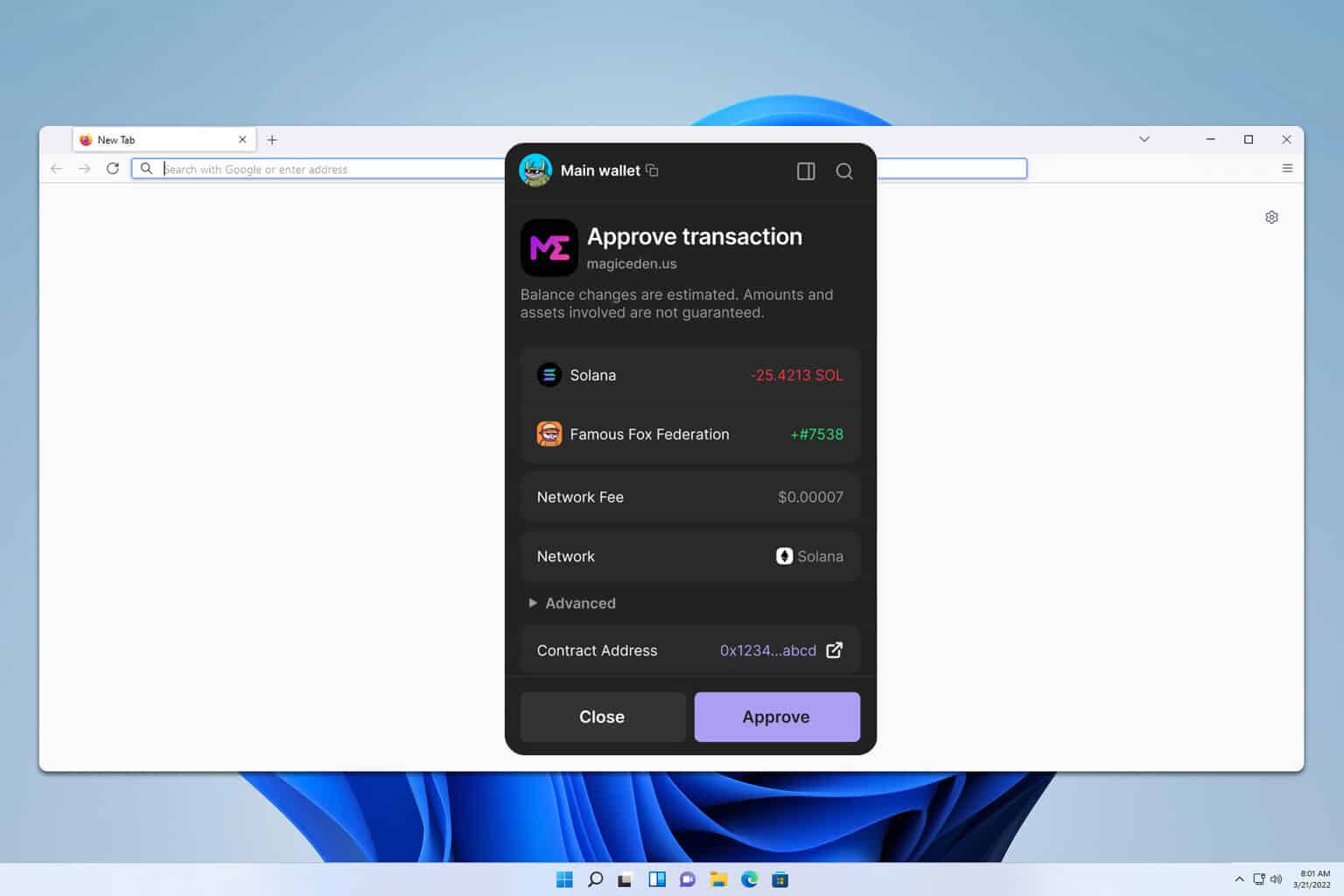
Getting and Installing the Extension
If you want to try it out, grab the phantom wallet download extension from an official-looking source and follow the browser prompts.
Pro tip: double-check the URL and the publisher name in your browser’s extension store—phishing extensions exist, and yeah, they can be scary.
Download and setup are straightforward: choose a password, write down your seed phrase, and keep that phrase offline.
I’m biased, but I write mine on a little card and tuck it into a safe—paper over digital for backups, generally speaking.
Also—repeat after me—never paste your seed phrase into a website or chat, even if someone says they’re support.
Security deserves more than a line or two.
Phantom doesn’t hold your keys on a remote server; the seed phrase and private keys are local.
That means you’re responsible for backups and recovery.
But it also means you don’t have to trust a centralized custodian.
On the other hand, local keys can be stolen if your machine is compromised, so treat your browser and OS hygiene seriously.
One of the first things I checked was hardware wallet support.
Good news: Phantom integrates with Ledger devices, letting you sign transactions from a hardware key while using the extension for UX.
That’s a power-user setup I recommend if you move serious amounts—use Phantom for convenience and Ledger for signing.
Initially I thought hooking a Ledger through a browser would be clumsy, but the flow is surprisingly smooth, once you grant the browser the right USB permission.
Just be ready for an extra tap or two; it adds friction but also protection.
Performance and network behavior matter more than most folks realize.
Solana’s speed shows up in the extension—transactions confirm quickly and the app rarely feels sluggish.
That low latency changes user habits: you try things faster, which is fun and also risky.
I found myself approving small swaps while grabbing coffee in Brooklyn, and yes, that was convenient.
But the convenience can be misleading if you don’t read transaction details carefully.
Integration with dApps is where Phantom shines.
Many Solana-native apps detect Phantom automatically and present a one-click connection flow with clear scope explanations.
However, not every dApp is created equal; some still request broad permissions or redirect through intermediaries, so you gotta watch out.
On one hand the auto-connect features are delightful—on the other, auto-connect can be abused by shady sites that trick users into binding long-lived approvals.
So I disable auto-approve where possible and periodically review connected sites.
Speedy note: backups are not sexy but very very important.
Write down the seed phrase twice, hide one copy somewhere safe, and consider a hardware wallet for main accounts.
Oh, and by the way—if you lose the seed phrase, you’re done; there’s no central recovery.
That reality makes the whole crypto thing both empowering and unforgiving, like owning cash in a locked box that’s only accessible with a single key.
Common Questions About Phantom
Is Phantom safe to use?
It’s relatively safe when you follow best practices: use a strong password, back up your seed phrase offline, enable Ledger for large balances, and verify site connections before approving transactions.
No wallet is bulletproof, though—security is layered, so secure your device, browser, and habits.
Can I move assets between Phantom and other wallets?
Yes. You can import/export seed phrases or transfer tokens on-chain between addresses just like any Solana wallet—be mindful of token account creation fees on Solana when moving new SPL tokens.
If you’re using multiple wallets, label them and use small test transfers first.
What if I see a suspicious approval request?
Pause. Seriously.
Check the action details, copy the transaction data to a block explorer, and if anything looks odd, reject it.
Ask in trusted community channels or from known peers; don’t act on panic or FOMO.
My rule: when in doubt, decline and investigate later.