
Whoa! I opened a web build of Phantom the other day and my first thought was: this finally feels like the wallet people actually want to use. Seriously? For years we’ve relied on browser extensions or mobile apps, juggling tabs and mobile copies of recovery phrases like we’re back in 2017. My instinct said this would be clunky. But after poking around, trying a few dApps, and breaking (and fixing) a couple flows, I have some real takeaways—some obvious, some not so much.
Okay, so check this out—web Phantom brings the same promise as the extension: a fast, lightweight interface to Solana dApps, but it runs in a tab. That means no extension permissions popup, no extension state that survives browser profile changes, and quicker recovery if you move between machines. On one hand that’s liberating. On the other, there are trade-offs around security posture, session persistence, and how sites detect wallet providers. Initially I thought the differences were surface-level, but then the details started to matter.
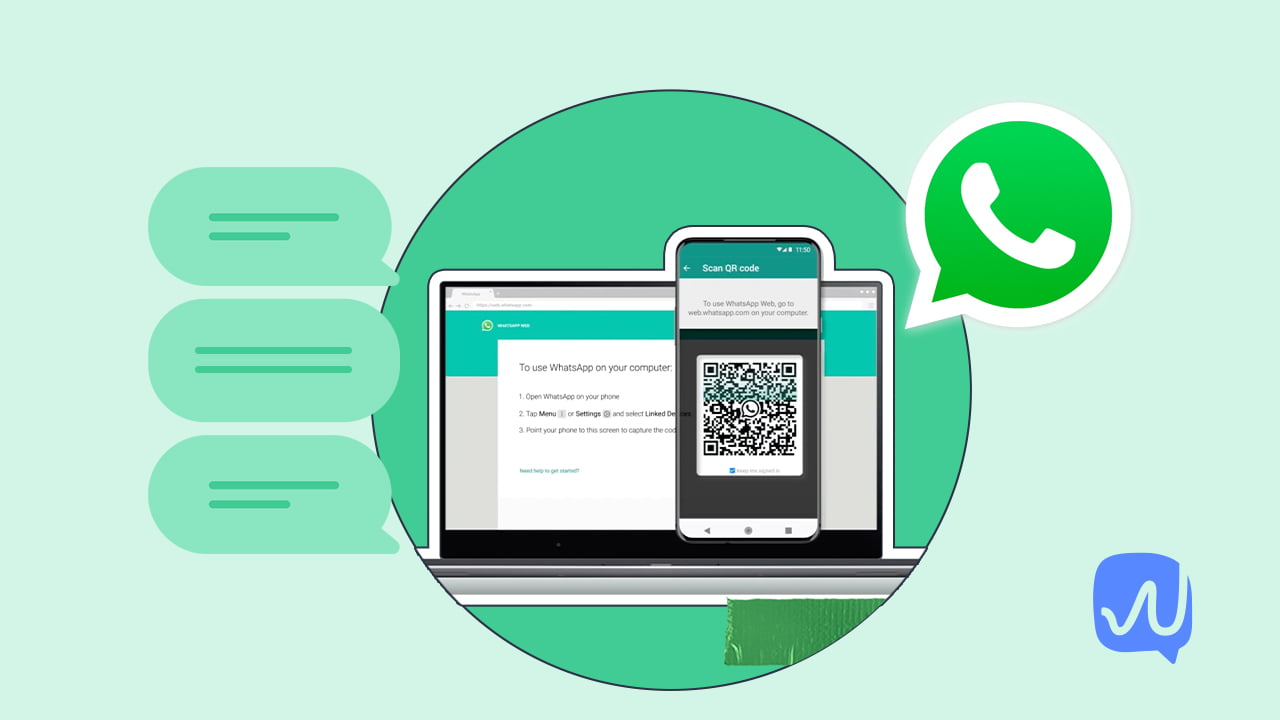
What the web version changes (and what it doesn’t)
Short answer: it changes friction, not consensus. Phantom on the web reduces the friction of onboarding and connecting. Medium explanation: you can visit a dApp, connect within the page, and sign transactions without installing anything extra. Longer thought—though actually this matters a lot for first-time crypto users because installing extensions feels like a barrier, whereas authorizing an in-page wallet flow feels more like signing into a web app you already trust.
Practically: the web build uses the same key management model under the hood. Your seed phrase is still the root of everything. That means security best practices remain critical—seed phrases never get pasted into web forms, and hardware wallets are still the gold standard if you’re moving large sums. I’m biased, but if you’re storing anything more than pocket money, use a hardware key. Yep—old-school advice, and still true.
There are behavioral differences too. dApps that expect window.solana (the provider injected by the extension) need to support web-provider detection. Many already do. Some older apps still assume a browser extension and fall back poorly, which is annoying. The ecosystem is catching up, though—developers are updating connectors and SDKs to better detect and support in-page providers.
How it feels to use with real dApps
My first run: a marketplace, a swap, and a Mint site. Short: smooth. Medium: connecting was one click, signing popped a modal inside the page, and confirmations were snappy. Longer: transaction speed on Solana is obviously a network thing, not a wallet thing—so block times are unchanged—but the UX around sign/confirm felt more integrated. It’s less context-switching. That reduces mistakes, which in turn reduces support tickets for devs (oh, and by the way… as a dev I love fewer user errors).
That said, watch out for phishing. A web wallet can be embedded in a page that also controls the UI around it—so visual spoofing risks are higher. Phantom mitigates this with clear modal designs and confirmations. Still, always verify the origin bar, and if something smells off—trust your gut. Something felt off about one dApp I tried and I closed the tab and opened the real site directly.
Security: the trade-offs
Here’s what bugs me about the naive “web wallets are less secure” claim: it’s too categorical. Yes, browser-based wallets can be more exposed to page-level attacks if the page has XSS or if you accidentally use a compromised machine. But the wallet’s architecture—if done correctly—keeps private keys isolated and only exposes signing prompts.
So: use strong device hygiene. Keep OS and browser up to date. Use unique browser profiles for crypto activity if you can. For people who want to dip toes in dApps quickly, web Phantom is a great step. For power users with large holdings, pair it with a hardware signer or keep a dedicated, air-gapped environment. I’m not 100% poetic about this—it’s practical risk management.
Developer angle: integrating dApps with web Phantom
If you build on Solana, the important bit is provider detection and the UX around connection flows. dApp authors should avoid brittle assumptions like “there must be a browser extension.” Instead, check for window.solana, then implement a resilient fallback. Offer clear messaging: “Connecting to a web wallet will open a signing modal inside this page.” This reduces confusion.
Also: confirm that your wallet adapter (or wallet adapter library) supports in-page providers. Most modern adapters do. If not, it’s usually a quick patch. It’s worth testing on multiple browsers (Chrome, Firefox, Brave) because nuances in how tabs and sessions are managed can affect how persistent a web wallet feels.
Want to try a web build for yourself? You can start with a community-hosted or official web build—I’ve linked a resource I used early on here. Try it in a throwaway account first if you’re cautious. Seriously, do that.
FAQ
Is the web version of Phantom safe to use?
Yes, with caveats. The wallet’s signing surface and key storage follow the same principles as other Phantom products: private keys remain hidden, and signing requires explicit user consent. However, because the wallet runs inside a webpage, it’s crucial to verify the site you’re on, keep your device secure, and use hardware wallets for large holdings.
Do dApps need to change anything to support web Phantom?
Most modern dApps already work. If you rely on older assumptions (like only supporting extension-based injection), update your provider detection and ensure your wallet adapter supports in-page providers. Testing across browsers is recommended.
Can I use web Phantom on mobile browsers?
Some mobile browsers support the experience, but mobile UX varies widely. Native mobile wallets still offer better persistence and system-level integrations. Use web Phantom on mobile for quick access, but plan for native app usage for long-term convenience.
Okay—closing thought (but not a neat little wrap-up, because I hate those): web Phantom doesn’t reinvent the wheel. It lowers the entry cost and smooths a lot of everyday friction, which matters. For newcomers it feels modern and less intimidating. For builders it means fewer onboarding hurdles and slightly different testing matrices. For security-conscious users, it’s another tool in the toolbox—handy, but not a replacement for hardware keys or safe operational practices.
I’m biased, as I said earlier, but this part of Solana’s UX evolution excites me. The ecosystem is maturing. Things are faster, friendlier, and tinkering is less painful. Try the web flow, poke around, and keep your recovery phrase offline. And if somethin’ weird happens—close the tab and breathe. You’ll be fine.